
Hoffa and Fitz
I Heard You Paint HousesA chosen successor becomes a rival as Hoffa’s imprisonment, conditional release, and attempted comeback transform a working relationship into a power struggle.
increasing Bearing strength in each event
 decreasing
Bearing strength in each eventdecreasingA Successor Selected
Hoffa’s Appointment
The vacancy
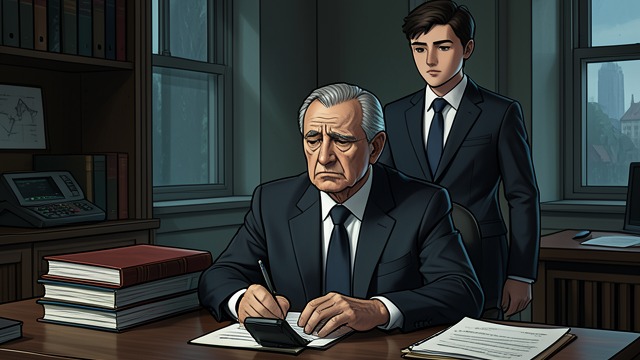
James R. Hoffa selected Fitz for a vice-presidential position after Owen Bert Brennan’s death. The choice was meant to fill an organizational role, not to establish an independent rival.
The future conflict
Hoffa later depended on Fitz to manage the union during prison. Their relationship carried the risk that a temporary succession would become permanent control.
Control from Prison
Authority at a Distance
Hoffa’s expectation
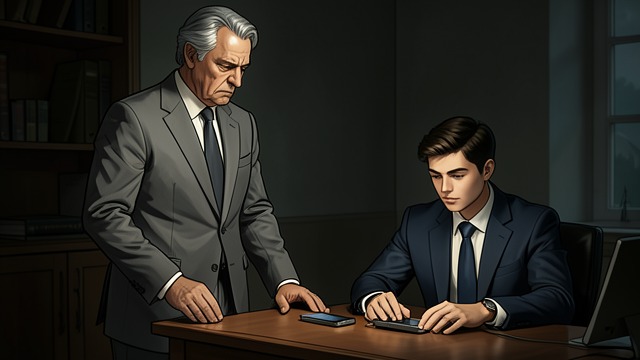
James R. Hoffa expected to continue directing the Teamsters from Lewisburg through lawyers and allies. Fitz held the formal practical authority outside the prison.
Diverging paths
Hoffa began to suspect that Fitz was enjoying the presidency rather than preserving it for him. The dependence that once held them together became a source of mistrust.
The 1971 Challenge
A Race without Hoffa
Fitz declares
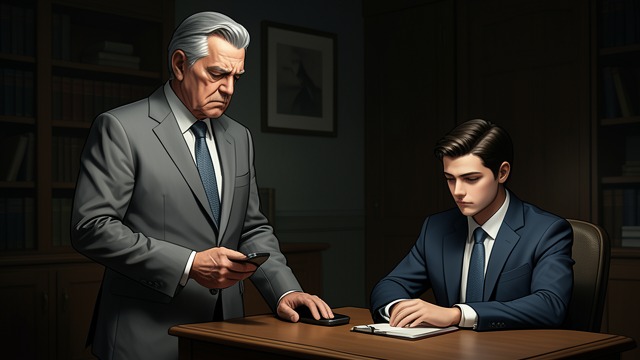
Fitz said he would run for president if Hoffa failed to win parole. The statement challenged Hoffa’s assumption that he remained the unquestioned leader.
Resignation strategy
Hoffa resigned from union posts in hopes of improving his parole prospects. The effort failed, leaving Fitz with greater authority and Hoffa politically absent at the convention.
The Restriction
Freedom with a Deadline
Conditional release
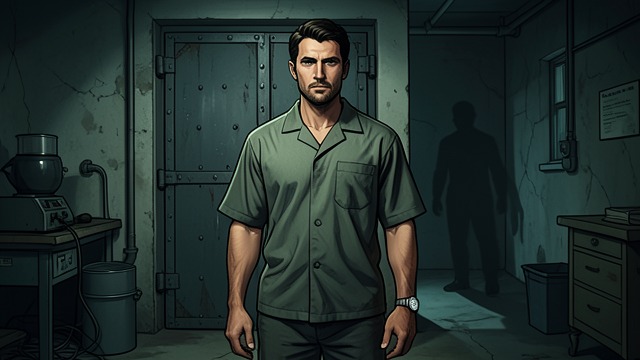
President Nixon commuted Hoffa’s sentence but barred him from union management until 1980. Hoffa’s supporters say they did not understand the restriction until after he left prison.
A contested bargain
Fitz remained in control while Hoffa’s return was delayed. Hoffa believed political allies had accepted or helped impose a condition that threatened his future.
The Return Threat
A Rivalry Reignited
Legal and political challenge
Hoffa sued to remove the restriction and announced a 1976 campaign. He publicly attacked Fitz and threatened to investigate the union’s records.
A dangerous outcome
Fitz’s presidency was at stake, as were interests tied to the union and its pension fund. The conflict ended with Hoffa’s disappearance before the election could take place.
1961
1967–1969
Early–August 1971
December 1971
1973–1975
